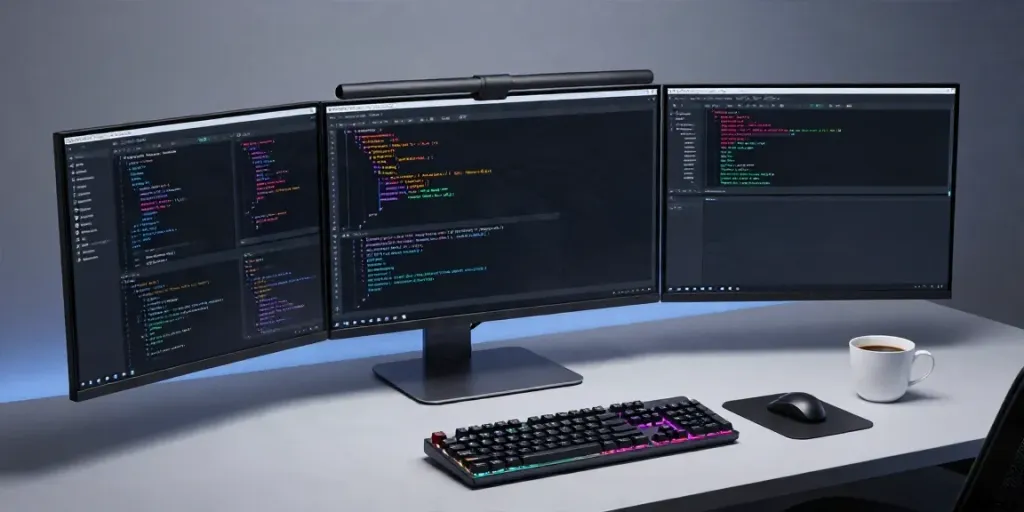
Understanding Tupaiwin's Role in Software Development
The landscape of software development is rapidly evolving, driven by new technologies and methodologies. tupaiwin emerges as a pivotal actor in this domain, influencing how developers approach architecture, optimization, and team collaboration. As organizations strive for faster delivery cycles and enhanced product quality, understanding the principles behind Tupaiwin helps in leveraging its full potential.
Overview of Software Architecture Best Practices
Software architecture serves as the skeleton of software systems, determining how different components interact and ensuring they operate cohesively. Best practices encompass principles such as:
- Modularization: Dividing the application into distinct services or modules facilitates easier updates and maintenance.
- Loose Coupling: Ensuring minimal dependencies between modules allows independent evolution and scaling.
- Consistent API Design: Well-defined APIs promote usability and integration across various parts of the application.
- Security by Design: Incorporating security features at the architectural level prevents vulnerabilities and attacks.
These practices, when aligned with Tupaiwin’s capabilities, enable teams to construct more resilient and efficient software systems.
Tupaiwin's Impact on Development Efficiency
As development practices integrate methodologies like Agile and DevOps, Tupaiwin plays a crucial role in enhancing efficiency. By emphasizing automation, Tupaiwin helps teams reduce manual overhead in processes such as:
- Testing: Automating testing processes accelerates feedback loops and ensures code quality.
- Deployment: Continuous integration/continuous deployment (CI/CD) pipelines enable more frequent and reliable releases.
- Monitoring: Real-time performance monitoring allows teams to address bottlenecks swiftly.
Incorporating Tupaiwin within these areas can lead to significant time savings and improved product iteration cycles.
Key Players in the Tupaiwin Ecosystem
The Tupaiwin ecosystem is supported by a variety of stakeholders, including:
- Developers: Individuals leveraging Tupaiwin to create scalable solutions.
- Project Managers: Ensuring that Tupaiwin is integrated efficiently into projects, optimizing resource allocation.
- Security Teams: Focused on maintaining the security posture of applications built within the Tupaiwin framework.
- End Users: The ultimate beneficiaries of the efficiency and effectiveness that Tupaiwin brings to software development.
Cloud Infrastructure Leveraging Tupaiwin
With the rise of cloud computing, Tupaiwin aligns effectively with popular services such as AWS and Azure, enabling scalable and robust applications. Understanding how to leverage these cloud solutions is essential for modern development teams.
AWS vs. Azure: Cloud Solutions for Tupaiwin
When choosing between AWS and Azure, it’s important to weigh their unique offerings. AWS provides a broad set of services and unparalleled scalability, while Azure facilitates seamless integration with Microsoft tools. Here are some factors to consider:
- Cost: Analyze pricing structures, as AWS can often be cheaper for compute-heavy applications, while Azure might offer better deals on Windows-based applications.
- Service Variety: Both provide an extensive range of services, but specific needs may dictate which platform to use.
- Geographical Coverage: Consider where your user base is located; AWS has a larger total number of regions, but Azure continues to expand rapidly.
Scalability and Performance Optimization
Effective scaling involves both vertical and horizontal scaling methods. Vertical scaling enhances existing server capabilities, while horizontal scaling involves adding more servers to handle increased load. To optimize performance:
- Load Balancing: Utilize load balancers to distribute traffic evenly across servers, reducing strain on individual components.
- Auto-Scaling: Implement auto-scaling features available in cloud solutions to adjust resources based on traffic requirements dynamically.
- Caching Strategies: Use caching to store frequently accessed data, reducing database load and improving response times.
Deployment Strategies for SaaS using Tupaiwin
To maximize efficiency in deploying Software as a Service (SaaS) applications, consider the following strategies:
- Containerization: Utilize technologies like Docker and Kubernetes to manage and streamline deployments across various environments.
- Serverless Architectures: Leverage serverless solutions such as AWS Lambda for scalable, cost-effective application deployment.
- Microservices Architecture: Break down monolithic applications into microservices to enhance scalability, maintainability, and independent deployment.
Integrating AI/ML with Tupaiwin Solutions
The integration of artificial intelligence (AI) and machine learning (ML) into software development processes can lead to improved decision-making and automation. This section explores practical implementations of these technologies in the context of Tupaiwin.
Real-World Applications of AI in Software Development
AI is transforming software development through applications such as:
- Code Assistance: Tools like GitHub Copilot use AI to offer real-time code suggestions based on context.
- Predictive Analysis: AI can analyze historical data to predict future trends, helping teams make informed decisions about feature development.
- Automated Testing: AI-driven testing frameworks can adapt to new application changes, increasing test coverage and reliability.
Best Practices for AI/ML Models within Tupaiwin
To effectively integrate AI/ML models in Tupaiwin environments, adhere to the following best practices:
- Data Management: Ensure high-quality, relevant data is available for training models.
- Model Evaluation: Regularly benchmark models against quantifiable metrics to ensure continued relevance and accuracy.
- Continuous Learning: Implement systems that allow models to adapt based on new data input post-deployment.
Future Trends in AI Integration
Emerging trends point towards more dynamic integrations of AI in development environments. Anticipate advancements such as:
- Enhanced Natural Language Processing: Making interactions with codebases more intuitive.
- Greater AI Ethics Considerations: Establishing frameworks around AI fairness and accountability.
- Decentralized AI Models: Exploring models that can function across distributed systems for enhanced resilience.
Cybersecurity Measures in the Tupaiwin Ecosystem
With the growth of software development comes an increased focus on cybersecurity. Ensuring that Tupaiwin adheres to robust security measures is essential for protecting sensitive data and maintaining user trust.
Essential Threat Mitigation Strategies
To fortify applications built on the Tupaiwin framework, implement these essential strategies:
- Regular Audits: Conduct routine security assessments to identify and address vulnerabilities.
- Training and Awareness: Educate development teams on security best practices and phishing threats.
- Adopting a Zero-Trust Model: Trust no entity outside or within the network, requiring verification from everyone attempting to access resources.
Robust Security Protocols for Software Solutions
Implementing strong security protocols is a must for protecting applications. Consider the following measures:
- Encryption: Employ data encryption both at rest and in transit to protect sensitive information.
- Access Controls: Ensure limited access to resources based on user roles.
- Incident Response Plans: Prepare your organization to respond quickly to any security breaches or threats.
Compliance and Regulatory Standards
Compliance with industry regulations like GDPR, HIPAA, and PCI-DSS is crucial. Regularly updating policies and technologies in alignment with these regulations helps safeguard privacy and builds trust with users.
Continuous Improvement through DevOps and CI/CD Pipelines
DevOps practices paired with CI/CD pipelines foster an environment of continuous improvement, essential for modern software development. Leveraging Tupaiwin within these frameworks provides significant benefits.
Streamlining Development Processes with Tupaiwin
By utilizing Tupaiwin, teams can streamline their development processes through:
- Automated Workflows: Reducing manual intervention boosts efficiency and minimizes the likelihood of errors.
- Standardized Environments: Ensuring all team members work in identical environments reduces inconsistencies.
- Integrated Feedback Loops: Continuous feedback from testing and performance metrics drives changes during development.
Performance Monitoring and Troubleshooting
Proactive performance monitoring through tools integrated with Tupaiwin allows teams to identify issues before they escalate. Utilize:
- Metric Tracking: Key performance indicators (KPIs) provide insight into application health.
- Logging Systems: Centralized logging allows for efficient troubleshooting of incidents.
- Alerting Mechanisms: Set up alerts for critical performance thresholds to initiate immediate responses.
Enhancing Code Quality through Automation
Integrating automated code quality checks into the deployment pipeline ensures that only the highest standard code is released. This can include:
- Static Code Analysis: Detects potential issues before code is compiled.
- Code Review Automation: Simplifies the peer review process and catches errors early.
- Automated Performance Testing: Ensures applications meet expected performance criteria under varying load conditions.
FAQs
What is Tupaiwin and how does it improve software development?
Tupaiwin is a modern framework designed to enhance software development processes through automation, improved collaboration, and efficiency. It focuses on streamlining workflows, reducing manual tasks, and integrating best practices for scalability and security.
How does Tupaiwin integrate with cloud services for scalability?
Tupaiwin seamlessly integrates with cloud platforms like AWS and Azure, allowing developers to build scalable applications that can respond dynamically to changing demands. By leveraging containerization and serverless architectures, teams can ensure rapid, reliable deployments that scale effortlessly.
What cybersecurity practices should be followed when using Tupaiwin?
Key cybersecurity practices include implementing regular security audits, ensuring data encryption, and adopting a zero-trust security model to safeguard applications built on the Tupaiwin framework. For more information, tupaiwin offers valuable insights. Training team members on recognizing cyber threats also plays a crucial role in maintaining application integrity.