
Understanding Kebuntoto: Origins and Significance
Kebuntoto, a term that evokes curiosity and excitement among culinary enthusiasts, is a traditional dish with deep roots in Southeast Asian culture. Known for its unique blend of flavors and textures, kebuntoto encompasses a variety of cooking techniques and regional variations. As the gastronomic landscape evolves, understanding the origins and significance of kebuntoto is vital for appreciating its role in both historical and contemporary contexts. When exploring options, kebuntoto offers a fascinating glimpse into this culinary delight.
What is Kebuntoto?
Kebuntoto is not merely a dish but a culinary experience that combines various ingredients and cooking methods, making it a beloved choice in many households and restaurants. Typically characterized by its savory flavors, kebuntoto often includes a mix of meats, vegetables, and aromatic spices, all carefully prepared to enhance their inherent qualities. The dish varies significantly based on regional practices and available ingredients, making each interpretation unique.
Historical Context of Kebuntoto Dishes
The history of kebuntoto is rich and intertwined with the cultural narratives of Southeast Asia. It reflects the agricultural practices and trade routes that have influenced local cuisines for centuries. As communities evolved, so too did their culinary traditions, with kebuntoto serving as a testament to the fusion of flavors that arose from cultural exchanges.
Regional Variations and Cultural Impact
Different regions boast distinct versions of kebuntoto, influenced by local ingredients and culinary techniques. For instance, in coastal areas, seafood may take center stage, while inland variations often highlight meats like chicken or beef. This diversity not only enriches the culinary landscape but also fosters a sense of identity among communities, making kebuntoto a symbol of cultural heritage.
Exploring Popular Kebuntoto Ingredients
Core Ingredients in Kebuntoto Recipes
The core ingredients of kebuntoto form the backbone of its flavor profile. Commonly used ingredients include:
- Meats (chicken, beef, or lamb)
- Fresh vegetables (carrots, bell peppers, and green beans)
- Herbs and spices (ginger, garlic, and turmeric)
- Condiments (soy sauce, chili paste, or fish sauce)
These components not only contribute to the dish’s flavor but also to its nutritional value, combining protein, vitamins, and minerals.
Flavor Profiles and Cooking Techniques
Kebuntoto is celebrated for its complex flavor profiles, which result from the careful balance of spices and herbs. The cooking techniques employed—ranging from grilling and steaming to slow-cooking—enhance the overall taste and texture of the ingredients. Each method brings out different flavors and aromas, allowing the dish to be versatile and appealing to a wide audience.
Health Benefits of Kebuntoto Ingredients
Beyond taste, the ingredients in kebuntoto offer numerous health benefits. For example, turmeric is known for its anti-inflammatory properties, while fresh vegetables provide essential nutrients. The inclusion of lean meats ensures a good source of protein, crucial for overall health and wellness.
Cooking Techniques for Kebuntoto
Traditional Cooking Methods Explained
Traditionally, kebuntoto is prepared using methods that have been passed down through generations. Methods such as braising and stir-frying are common, allowing flavors to meld beautifully while preserving the integrity of the ingredients. These techniques emphasize simplicity, focusing on enhancing natural flavors rather than overwhelming them.
Modern Twists: Innovative Methods
In contemporary kitchens, chefs are incorporating modern cooking techniques such as sous-vide and pressure cooking to prepare kebuntoto. These methods not only reduce cooking times but also allow for precise control over texture and flavor, pushing the boundaries of what kebuntoto can be.
Tips for Perfecting Your Kebuntoto Dish
For those looking to recreate kebuntoto at home, here are some essential tips:
- Use fresh ingredients to enhance flavor.
- Balance spices according to your taste preferences.
- Experiment with different cooking methods for varied textures.
- Allow time for marinades to infuse flavors before cooking.
These practices will help in crafting a kebuntoto that is both authentic and personalized.
Where to Find the Best Kebuntoto
Top Restaurants and Food Stalls
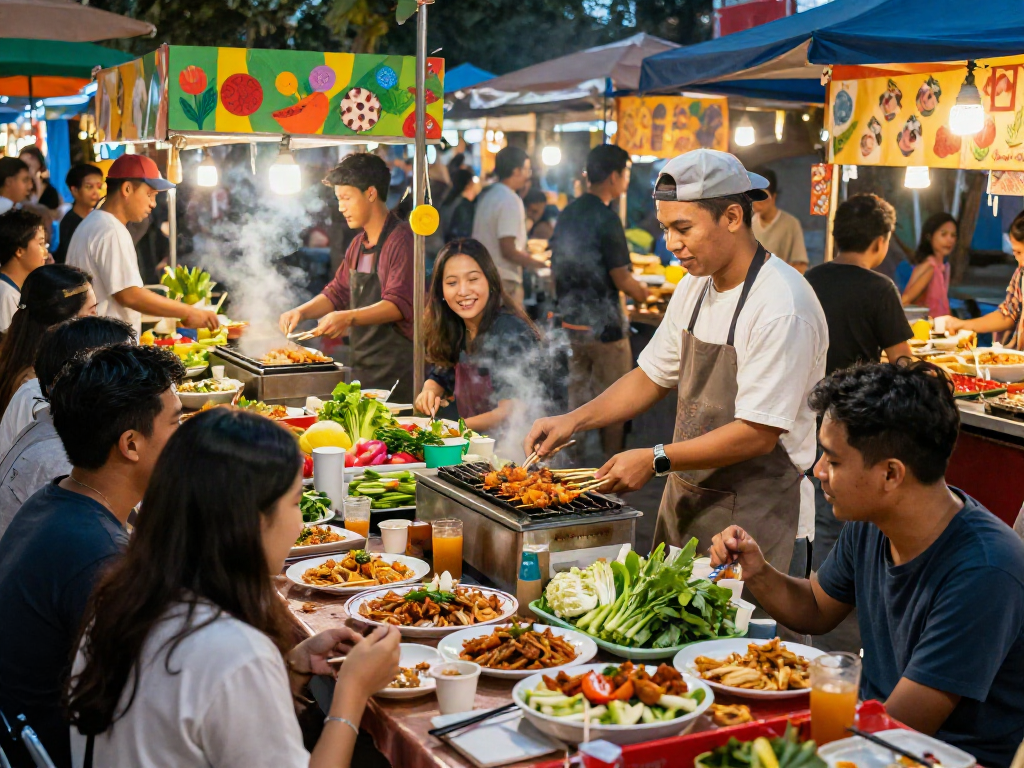
Food lovers seeking authentic kebuntoto need not look far. Many cities boast restaurants and food stalls dedicated to this dish, each offering their unique twist. Exploring local eateries can lead to delightful surprises and hidden gems serving exceptional kebuntoto.
Home-Cooking vs. Dining Out
While dining out offers convenience and the chance to sample various preparations, home-cooking provides an opportunity to enjoy kebuntoto tailored to personal tastes. Each approach has its advantages; choosing one often depends on time and availability.
Online Communities and Culinary Groups
Engaging with online communities and culinary groups can greatly enhance one's knowledge of kebuntoto. Forums and social media groups often share recipes, tips, and experiences that can inspire both novice and seasoned cooks alike.
The Future of Kebuntoto in 2026
Emerging Trends in Culinary Practices
As we move into 2026, the culinary landscape continues to shift, influenced by global trends and consumer preferences. Sustainability and health consciousness are leading trends, prompting chefs to adapt traditional recipes like kebuntoto to meet modern demands.
Predicted Changes in Kebuntoto Cuisine
Future iterations of kebuntoto may incorporate plant-based ingredients to cater to a growing demographic of health-conscious consumers. This shift will challenge chefs to maintain the dish's essence while introducing innovative alternatives.
How to Stay Ahead in Kebuntoto Exploration
Food enthusiasts can stay ahead in kebuntoto exploration by keeping abreast of culinary news, attending food festivals, and participating in cooking classes. This engagement allows for continuous learning and appreciation of this dynamic dish.
What Makes Kebuntoto Unique?
The uniqueness of kebuntoto lies in its adaptability and the personal touches that cooks add to their specialties. This flexibility not only makes it approachable for home cooks but also elevates it to gourmet status in fine dining.
Can Kebuntoto Adapt to Global Trends?
Kebuntoto has the potential to adapt to global culinary trends, such as health-oriented and plant-based diets. By embracing new ingredients and cooking methods, kebuntoto can remain relevant and appealing in an ever-changing food landscape.
What Are the Key Ingredients for Authentic Kebuntoto?
The authenticity of kebuntoto is rooted in its key ingredients, which include fresh meats, diverse vegetables, and a harmonious blend of spices. These components are essential for achieving the dish’s original flavor, regardless of regional interpretations.
How Can I Learn to Cook Kebuntoto at Home?
Learning to cook kebuntoto at home involves understanding the ingredients and techniques that define the dish. Starting with simple recipes and progressively experimenting with flavors and methods will enhance one’s culinary skills and confidence.
Where Are the Best Kebuntoto Restaurants Located?
The best kebuntoto restaurants can typically be found in areas with rich culinary diversity, offering both traditional and modern interpretations. Exploring local food scenes and seeking recommendations can lead to memorable dining experiences.
What Are Popular Variations of Kebuntoto?
Popular variations of kebuntoto may include different protein sources such as seafood or vegetarian options, reflecting local tastes and ingredient availability. Each variation showcases the versatility of kebuntoto, allowing it to appeal to a broad audience.
How Does Kebuntoto Reflect Cultural Heritage?
Kebuntoto serves as a mirror of cultural heritage, embodying the history and traditions of the communities that created it. Through its ingredients and preparation methods, kebuntoto narrates stories of familial ties, community gathering, and cultural exchange.